From the Classroom to the University
The rules take two minutes to learn. The same grid turns up in university lecture halls, in computer science assignments and in mathematics research.
Where KenKen has turned up
KenKen has been used in mathematics and computer science education, research and academic programs at institutions including these.
- Harvard
- Cornell
- Stanford
- Yale
- Brown
- University of Pennsylvania
- UCLA
- Columbia
- University of Michigan
- Michigan State










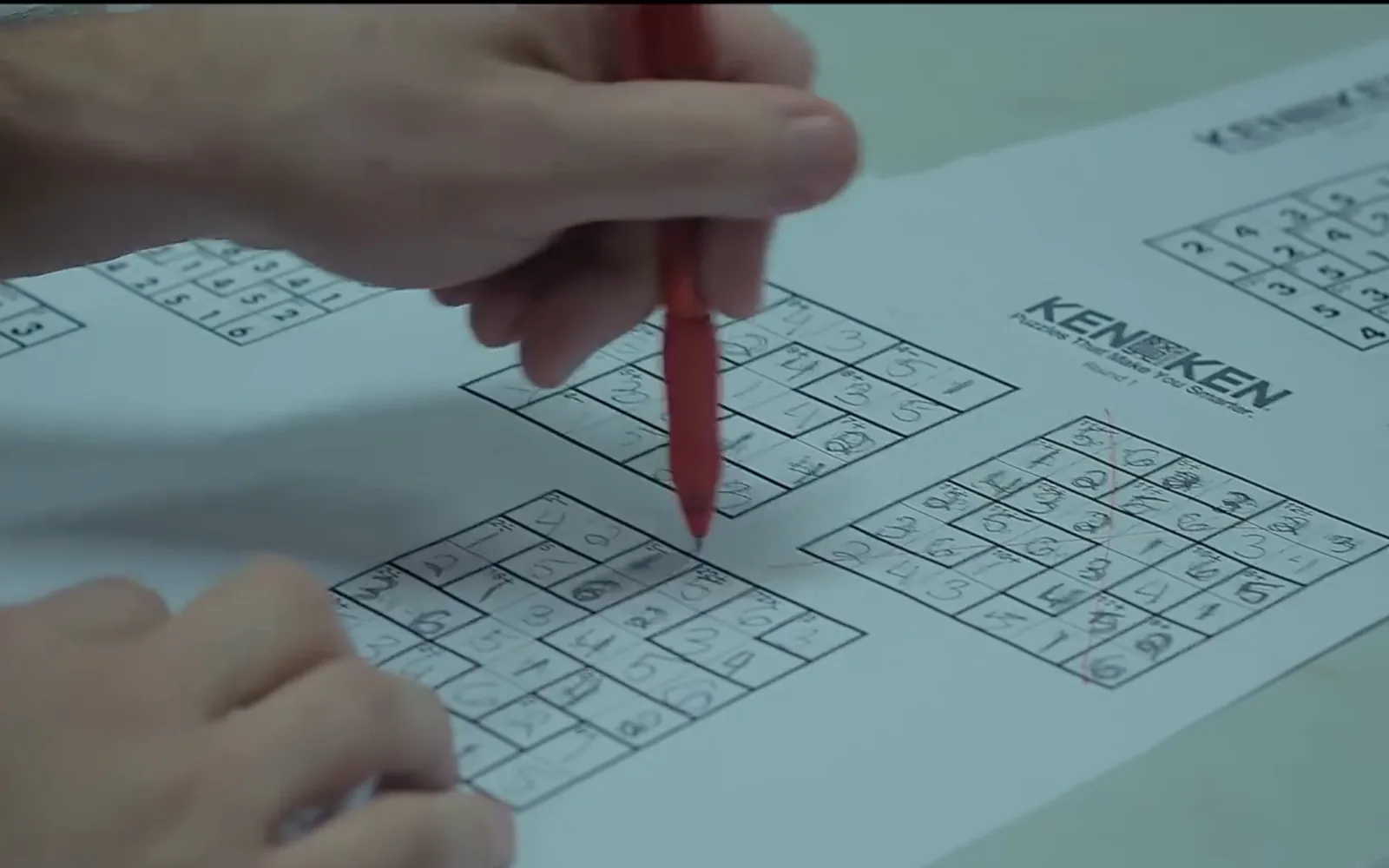 Where it starts
A simple grid, a serious problem.
KenKen may look simple: a grid, a few numbers and the four basic operations. But beneath that simplicity is a surprisingly deep exercise in logic, mathematics and problem-solving.
Deep enough, in fact, to find its way into some of the world's leading universities.
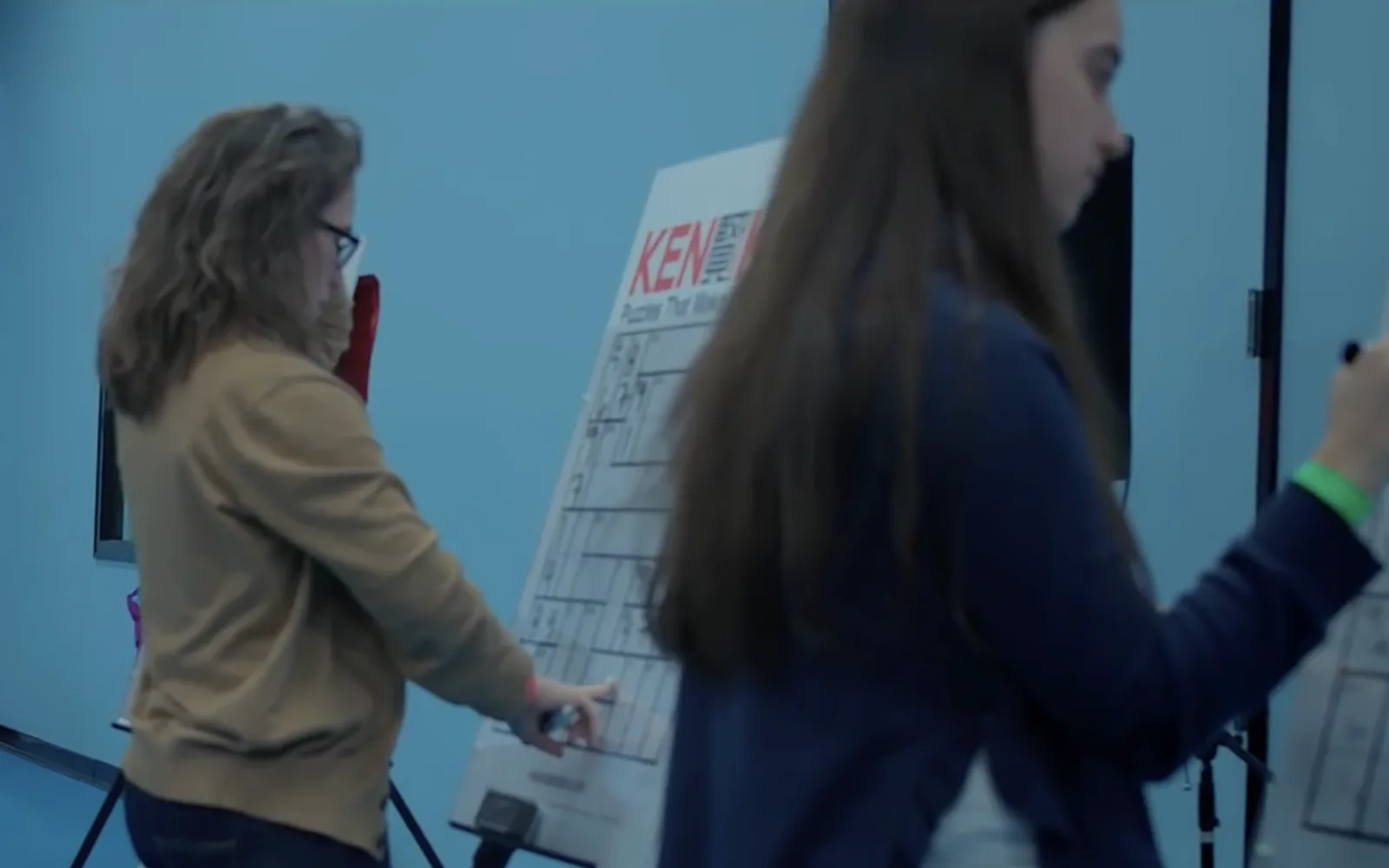 Solvers at work
They are not solving puzzles for fun.
University students have been challenged to program computers to solve KenKen. Computer science courses have used it to teach logic, algorithms, constraint satisfaction and artificial intelligence. Mathematics students have explored the number theory behind KenKen, while researchers have studied mathematical models and new variations of the puzzle.
At UCLA, computer science students were assigned to build a KenKen solver. At Stanford, students tackled KenKen through logic programming. At the University of Illinois and Williams College, KenKen appeared in artificial-intelligence coursework and exams. University of Michigan researchers even used a KenKen-solving AI agent as an experimental task.
 Behind the puzzle
A whole program built around one puzzle.
Cornell took KenKen in another direction, developing an extensive mathematics program around the puzzle that explored everything from solving strategies and permutations to combinatorics and puzzle construction.
 The teacher who drew it
Teaching the teachers.
At Harvard, KenKen became a tool for teaching the teachers. Participants in Harvard's Math for Teaching program worked with KenKen, created their own puzzles and brought what they learned back to their own classrooms.
That journey, from elementary school arithmetic to university-level computer science, is part of what makes KenKen unusual.
The rules can be learned in minutes. A young student can use KenKen to strengthen basic arithmetic. An experienced solver can wrestle with a difficult grid. And a university computer science student can use the very same puzzle to explore how a machine reasons its way toward a solution.
Same grid. Same basic rules.
A whole lot more going on underneath.
Today's Puzzle is Waiting
You know the math. Now see what your brain can do.