Easy to pick up. Hard to put down.
Most puzzles are a way to pass the time. This one was built to teach, and it worked so well it escaped the classroom. Here's the whole story, from a single Yokohama lesson plan to newspaper pages around the world.
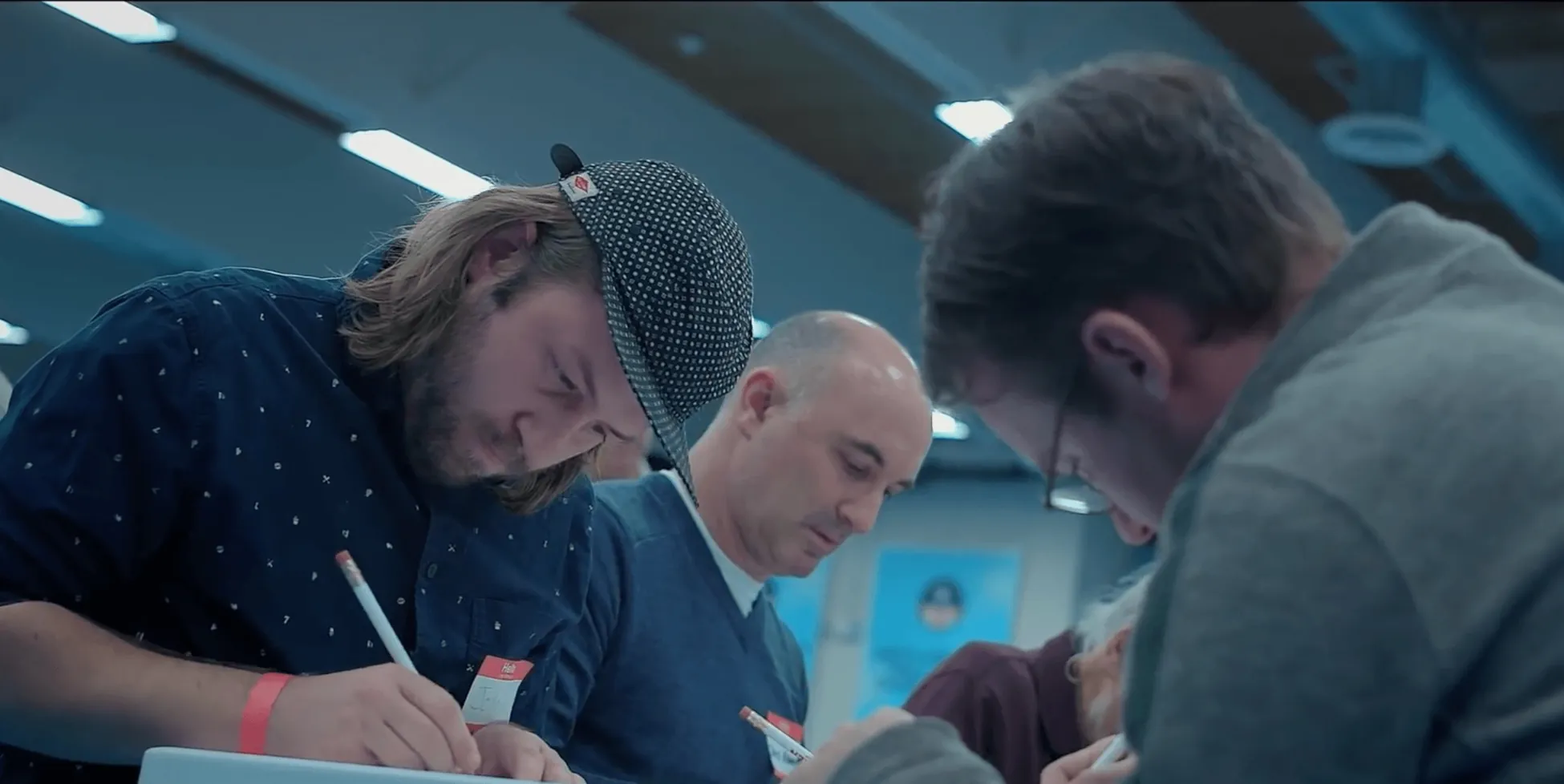

Are KenKen puzzles the future of logic based games?
The New Yorker explores how a simple classroom puzzle became a global obsession.
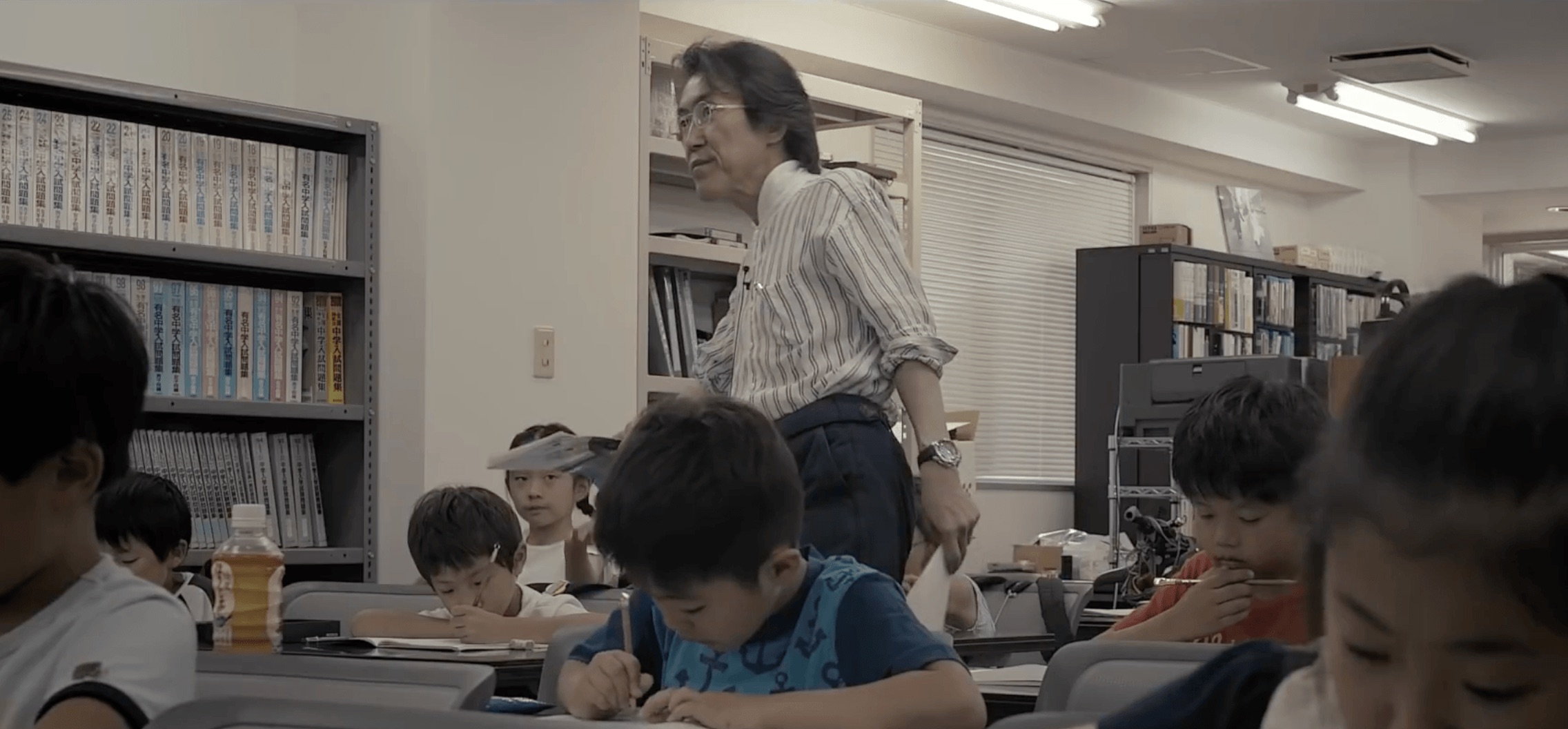 Yokohama, 2004
Born in a classroom.
Tetsuya Miyamoto, a mathematics instructor in Yokohama, taught by a principle he called the Art of Teaching Without Teaching. Give a curious kid something worth figuring out, and they will teach themselves.
So he drew a grid. Numbers, a few outlined cages, one correct answer. His students solved it, then asked for another. Then another.
He built the puzzle around a single idea: getting smarter should feel good. "Ken" means cleverness. He doubled it. KenKen, wisdom squared. The name stuck.
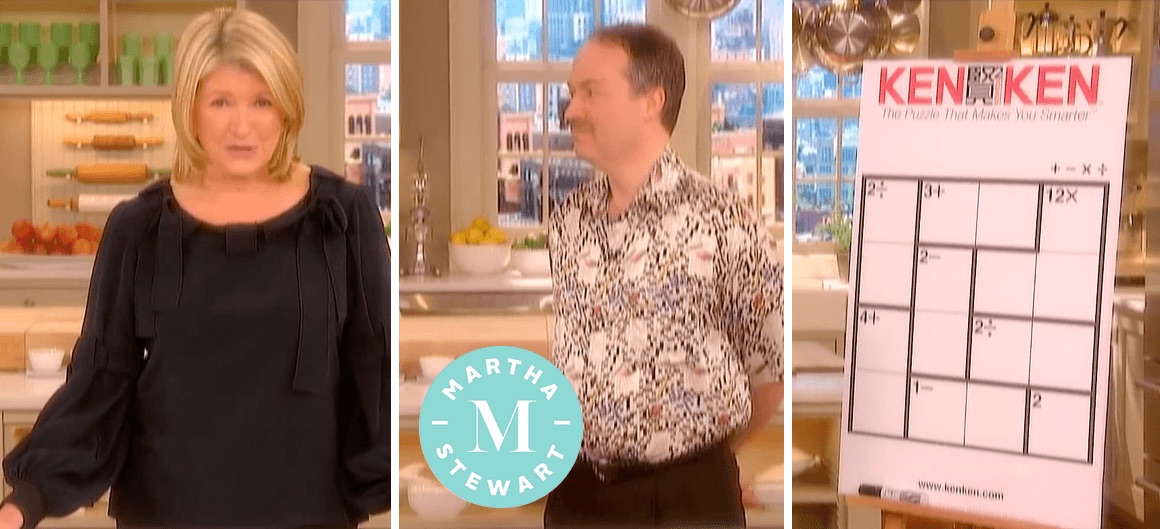 KenKen goes on air
Too good to stay in one room.
Word traveled the way good puzzles do, hand to hand. The grid moved from a single classroom into books, and the books sold by the hundreds of thousands.
Editors who had watched sudoku sweep across the world's newspapers recognized the same pull here, a small daily ritual that readers would return to without being asked.
Soon it was not one puzzle page but many. KenKen earned a standing place in newspapers around the world, printed fresh every day.
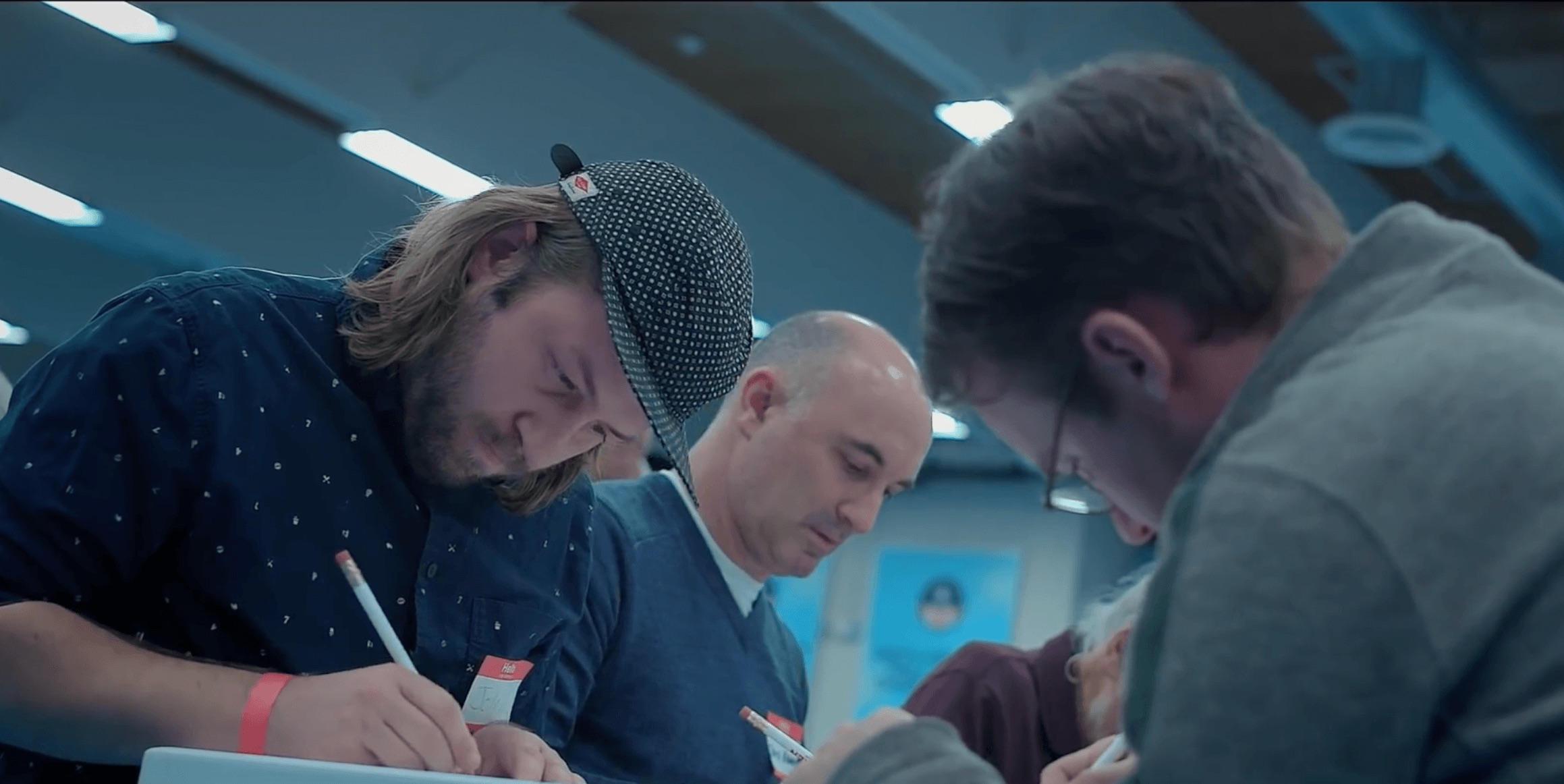 Solvers at work
A daily habit, everywhere.
Today KenKen appears in 200+ publications worldwide, from neighborhood gazettes to national dailies, in more than a dozen languages.
To keep every grid honest, the team built the Kenerator, an in-house engine that generates and checks each puzzle. It confirms three things: every cage hits its target, no row or column repeats a number, and there is exactly one valid solution.
KenKen puzzles have been played online more than 500 million times. A handful of hand-crafted originals are still reserved for the devoted. Most solvers cannot tell the difference.
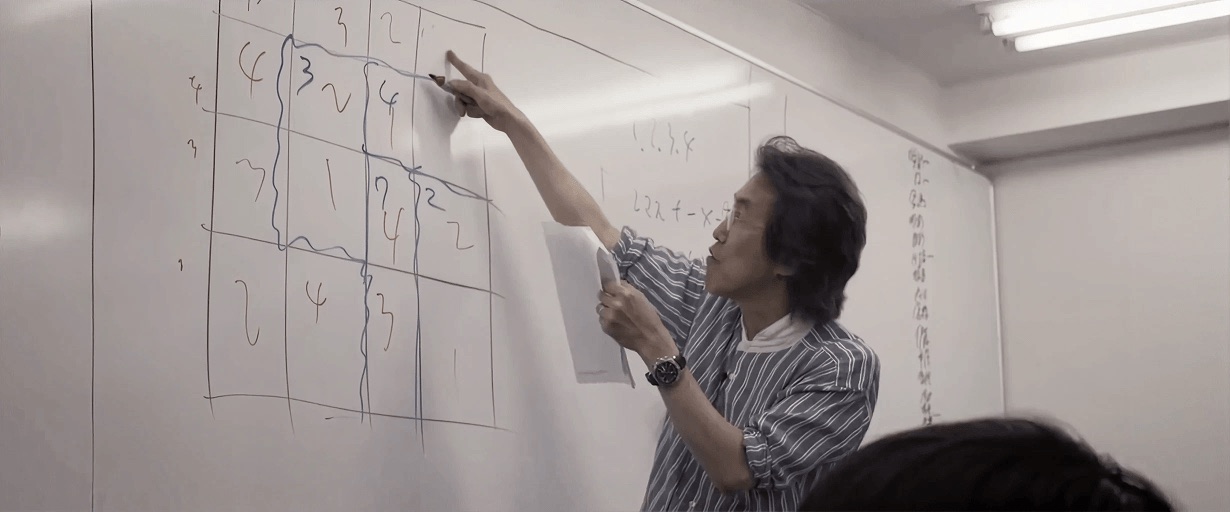 Still at the whiteboard
Why we're still at it.
The original goal was simple, help kids teach themselves. Years later, that is still the part that matters most. The KenKen Classroom Program is free, forever, and reaches more than a million students every week.
A KenKen puzzle asks only that you think. There is no luck in it, no dice, no guessing. If you can add, subtract, multiply, and divide, you already know the math. The rest is pure logic.
Five quiet minutes, one right answer, entirely up to you. In a world that is loud and fast, that is the whole point. Today's puzzle is waiting.
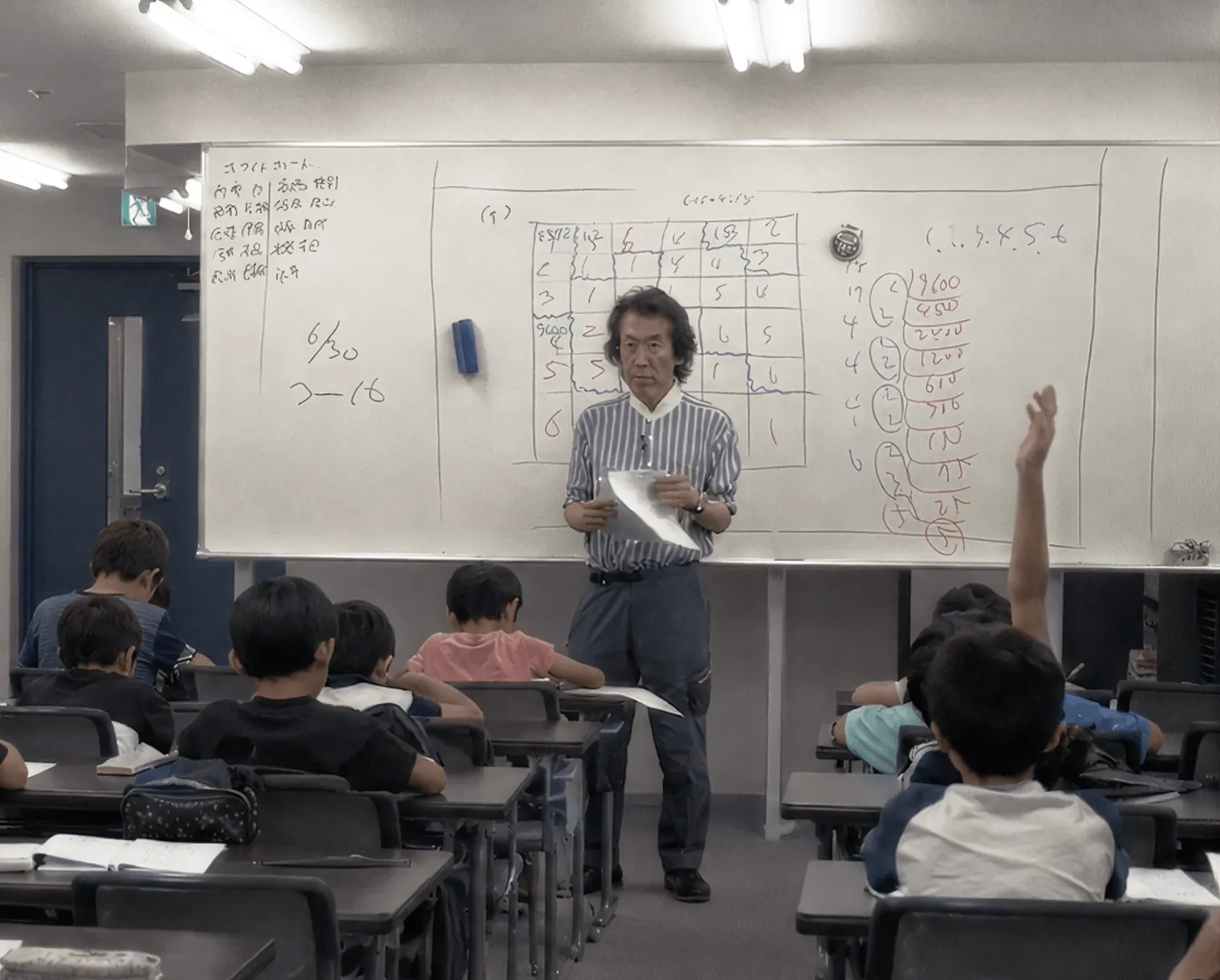
Tetsuya Miyamoto
Miyamoto taught mathematics in Yokohama and built his classroom around a refusal: he would not explain. Hand a curious student something worth working out, the thinking goes, and the explaining takes care of itself. He called it the Art of Teaching Without Teaching.
He put it plainly himself. “If you give children good learning materials, they will think and learn and grow on their own.”
KenKen was one of those materials. He drew it in 2004 for a room of thirty. It now runs in newspapers around the world, and he is still teaching.

The KenKen Team
Miyamoto drew it. Bob and Jerry brought it out of the classroom and into the world.
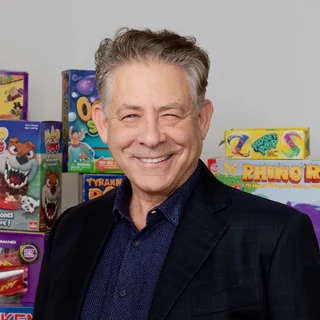
Robert Fuhrer
Robert founded Nextoy in 1981, pairing original toy and game ideas with the companies that bring them to market, among them Hasbro, Mattel, Crayola and The New York Times. On a 2007 trip to Japan he came across a little-known math and logic puzzle, and started KenKen Puzzles LLC to license it worldwide.

Jerry March
Jerry co-founded Arden Group Publications and grew it into a national publisher before Condé Nast acquired it, then went on to invest in and run businesses across many industries, including a $60 million division at MBI. Yale for history, Harvard for the MBA, and $1.4 million raised for local schools.

It began in a classroom. It still belongs in one.
No luck, no guessing, just a student and the grid. The puzzle Miyamoto drew for a room of thirty is free for any teacher who wants it, with lesson plans and the research behind it.
What every grid promises
Logic, not luck
No dice, no guessing, no lucky breaks. Every answer is reasoned into place, one deduction at a time.
Just arithmetic
Add, subtract, multiply, divide. That is all the math you need. The challenge is the thinking, not the numbers.
One right answer
Every grid has a single valid solution, verified before it ever reaches you. When it clicks, you know it is correct.
Five quiet minutes
A small, deliberate thing you do by yourself. No notifications, no timer racing you, just a grid that clicks into place.
Today's Puzzle is Waiting
You know the math. Now see what your brain can do.